
In DTC, “loyalty” often means one of two things.
Loyalty 1.0 buys the next order with another discount, freebie, or code blast. Loyalty 2.0 replaces that habit with transparent store credit plus earned privileges, so retention improves contribution margin instead of burning it.
Why most programs are still Loyalty 1.0
Spray-and-pray is addictive because it works in the short term. Open rates tick up. Conversion jumps for a weekend. Leadership asks for “another 15% off” when the chart dips.
The pattern is familiar:
- Welcome series with a big coupon
- Abandoned cart with a bigger coupon
- Winback with the biggest coupon
- Seasonal sitewide sales that train everyone to wait
That stack is not a loyalty program. It is a discount calendar with better copy.
The phantom-cost problem
Uncoordinated promotions behave like phantom costs on the P&L. You know revenue moved. You rarely know what margin you destroyed, which customers would have paid full price, or how much of next month’s demand you pulled forward.
Store credit does not erase cost - issued credit is a liability - but it changes the shape of the cost:
- You usually collect full payment today
- Value returns only when the customer shops again
- You can expire campaign credit and measure redemption
Discounts cut the ticket immediately. Credit funds a second ticket. That difference is the economic core of Loyalty 2.0. For the small-store margin math, see store credit vs discount codes.
Loyalty 2.0 defined
Loyalty 2.0 has two layers:
- Clear value - store credit / cashback the customer understands (€ for €, not “points ≈ maybe money”)
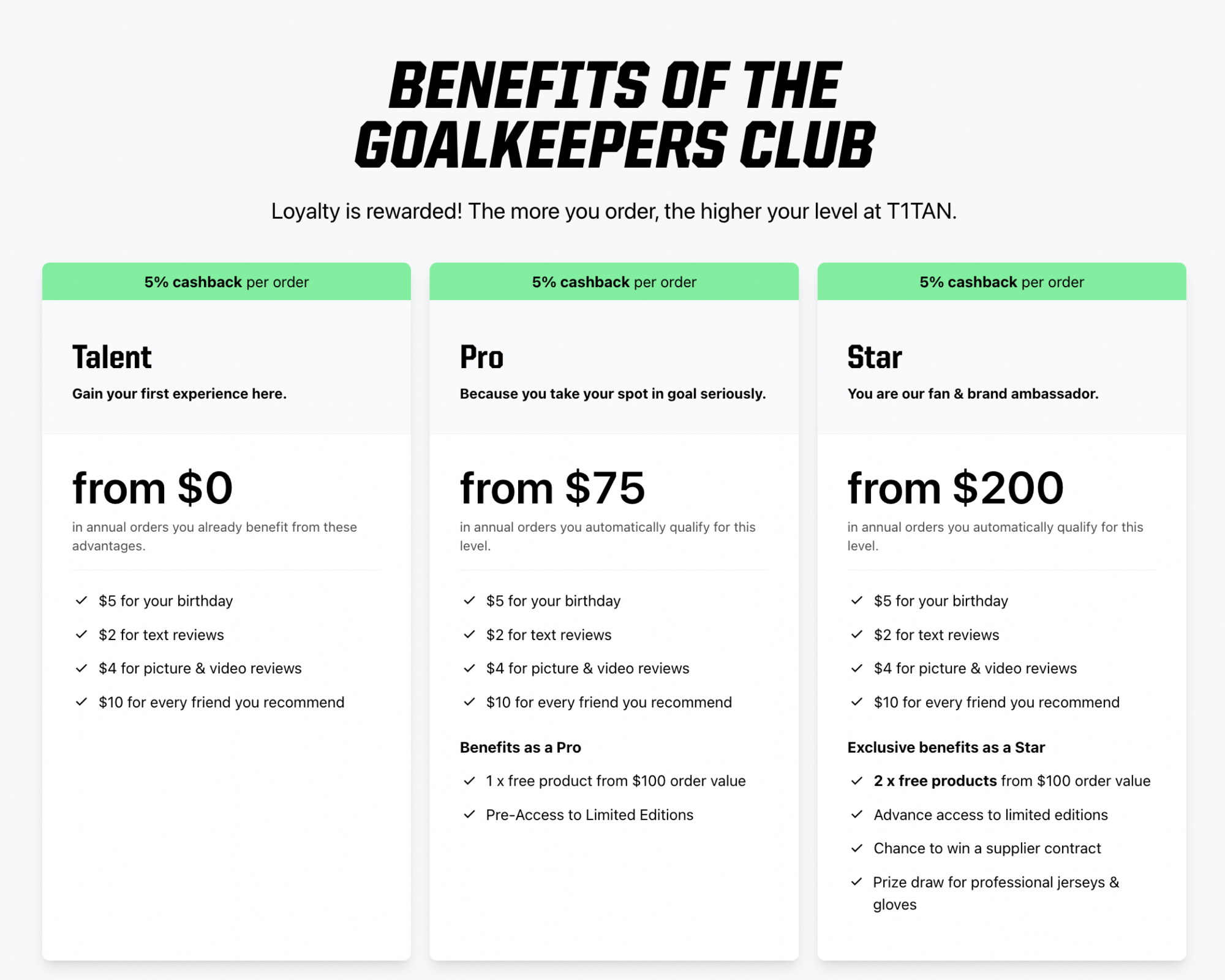
- Earned exclusivity - memberships or tiers that unlock early access, shipping perks, higher cashback rates, birthday gifts - privileges, not endless% off
The goal is a program that feels seamless and exclusive: most customers get a fair earn path; your best customers get status without another coupon war.
What Shopify actually made possible
Smaller brands can run 2.0-style programs because the platform pieces finally fit:
- Native Shopify Store Credit as a real account balance
- Customer accounts and checkout extensions so redeeming credit is not a custom hack
- Apps for cashback, campaigns, memberships, and messaging (memberr and others)
- Markets / multi-currency realities that loyalty tools must respect
You no longer need enterprise custom build-outs to combine a clear currency with tiered privileges. The constraint is design discipline, not access to technology.
Example stack for a mid-size DTC brand
A practical Loyalty 2.0 setup might look like:
| Layer | Example |
|---|---|
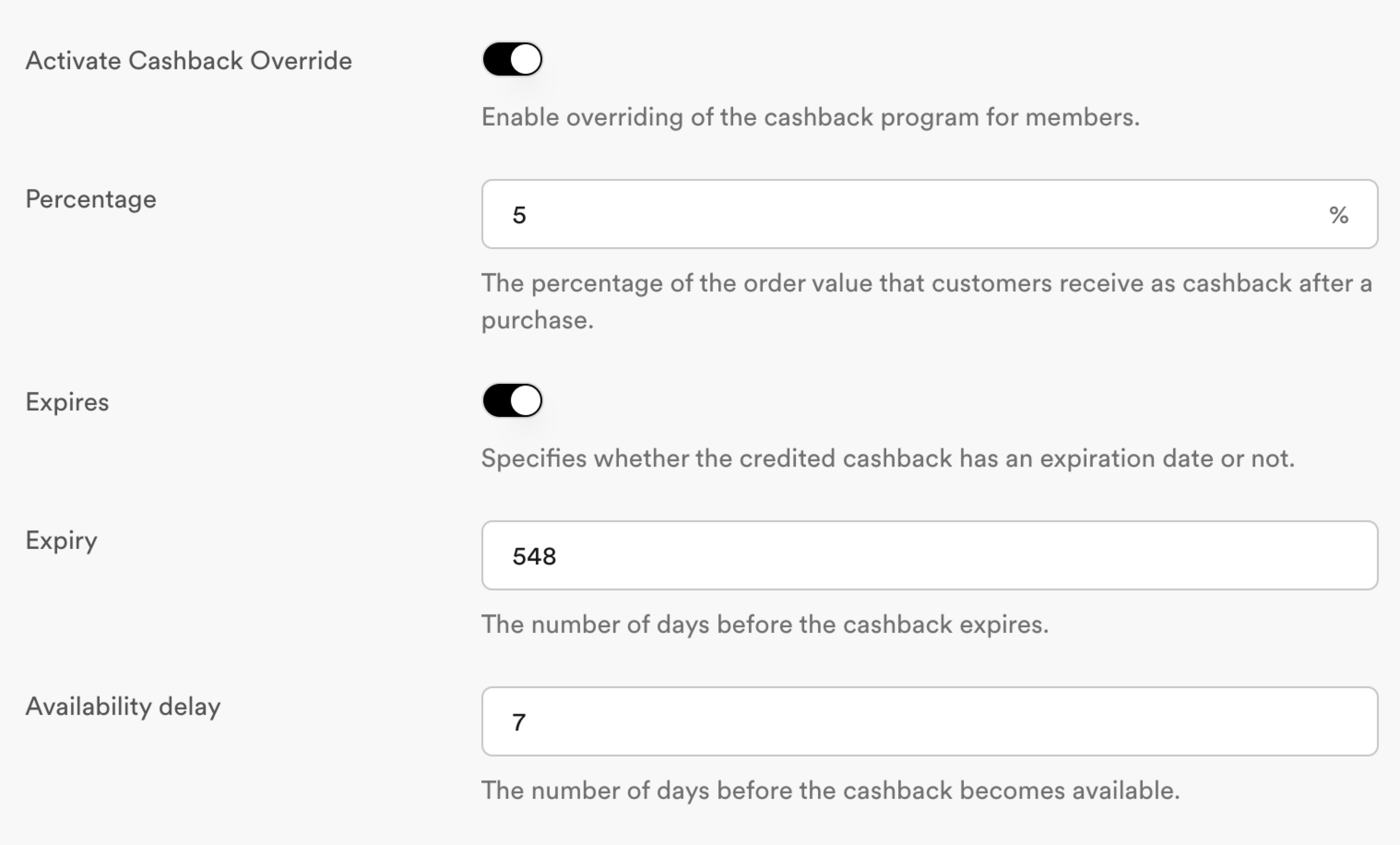
| Earn | 5% cashback as store credit on every order; delay until after the return window |
| Boost | VIP membership raises cashback to 8% and adds free shipping |
| Push | Segmented airdrops for inactive 90-180 days (€10, 14-day expiry) |
| Ask | €2-€4 credit for verified reviews |
| Surfaces | Balance on PDP, cart, checkout, account, and expiry emails |
Points can still appear inside a 2.0 model if status theater is your brand - but most Shopify catalogs should default to credit. The deeper currency debate is in store credit vs loyalty points.
How to measure Loyalty 2.0
Stop celebrating “codes sent.” Watch:
- Contribution margin on credit-influenced orders vs coupon periods
- Redemption rate and time to redeem
- Second-order rate within 30/60/90 days
- Share of revenue from members vs non-members
- Discount code dependency - is sitewide% off declining?
If credit issuance rises but utilization stays low, you have a communication problem, not a loyalty problem. See store credit communication.
Loyalty 1.0 asks how loud the next discount should be. Loyalty 2.0 asks how clearly you can pay customers back - and how exclusive the path to better terms feels.